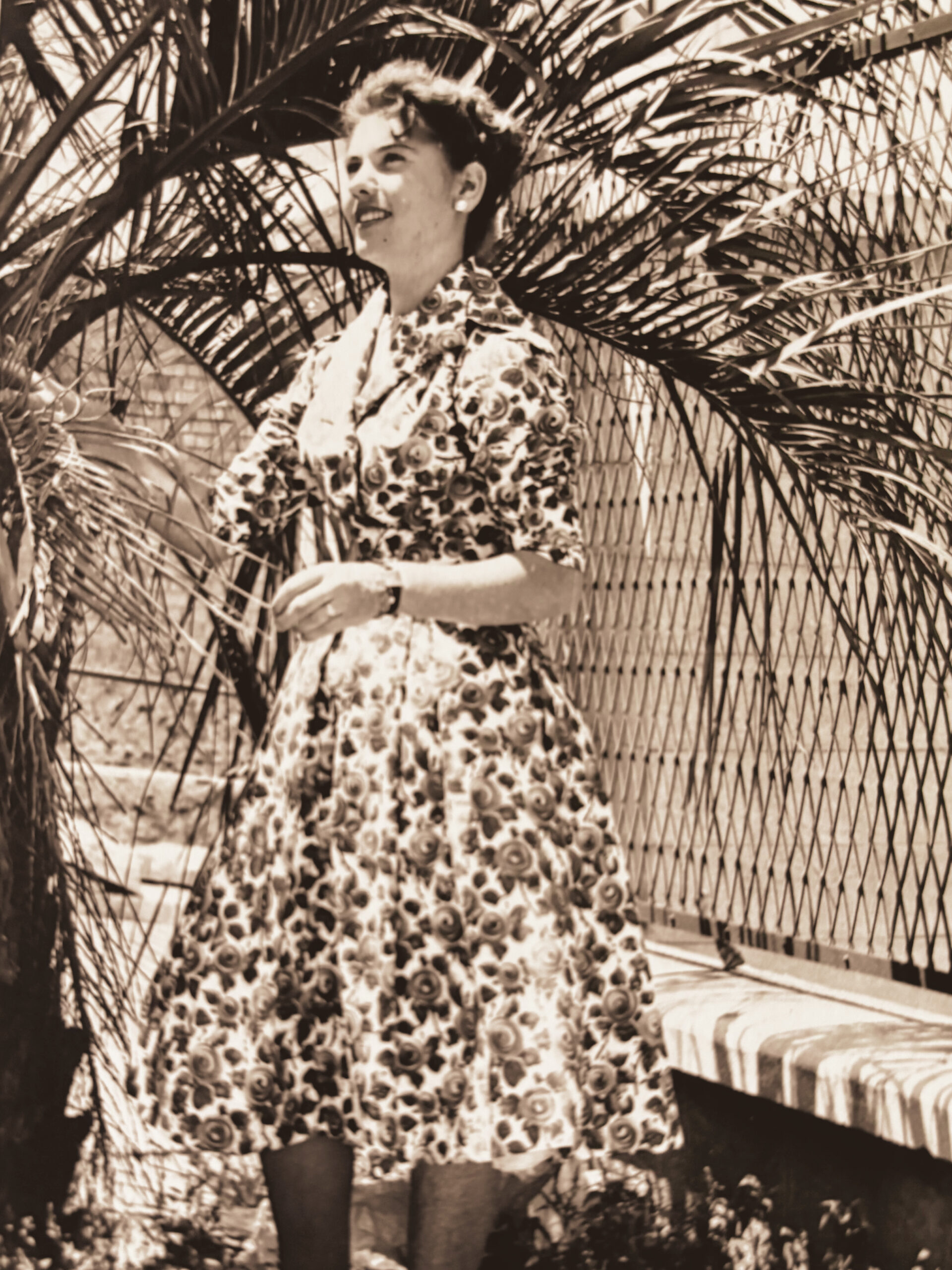
In her rubble of notes (seriously, a veritable wreckage of musings and observations fragmented across journals, Post-its and Apple devices), Francesca came across a years-old entry on Rome’s Trevi Fountain with scrawls in the margins she divined to mean dig deeper.
She spaded the internet until her fingertips callused, ultimately unearthing this stanza by the Victorian English Poet Laureate, Alfred Austin:
What though the moon on Trevi’s fount,
Whilst we together drink, doth shine,
Can it the rural miles remount,
Or I subtract from mine?
Whilst Time hath scarce begun to count
The pleasant paths of thine.1Why do poets write in code?, Francesca wondered. “A penny for your thoughts,” she whispered at the universe.
What is poetry if not shorthand for the long and winding tributaries of the mind, an invitation to follow our thoughts wherever they may lead, the true measure of which rests not in decoding rhyme or reason, but in the asking?
As transience drips from the poem’s lines, can we sit with the discernible undertow, the uncoupling of Life’s prime and twilight, while acknowledging Time and Memory can flow in opposite directions in the same way: uninterrupted?
Can ephemera be both parenthetical and elliptical? A period in time and a comma the breadth of eternity, what is after what was before what isn’t yet?
What of a fountain fed by an aqueduct over 2,000 years old, the tidal might of the metaphor, poetry’s power to impel the hands of time and move the human heart?
In our hour of modernity where the horizon fades once you blink, where viral surpluses are in bed with attention deficits, where obsolescence comes alive and history goes to die, it pleases me to think we can gather rosebuds while we may and still find time to smell the flowers; that today’s soil holds the seeds sown yesterday that will bloom tomorrow; that as change shapes the current moment or what stretches ahead, it need not spell the end of everything that came before.
It pleases me to think, just think.
Footnotes
- From “Fontana di Trevi”
Alfred Austin, English Poet Laureate
(1835-1913) ↩︎